
The take
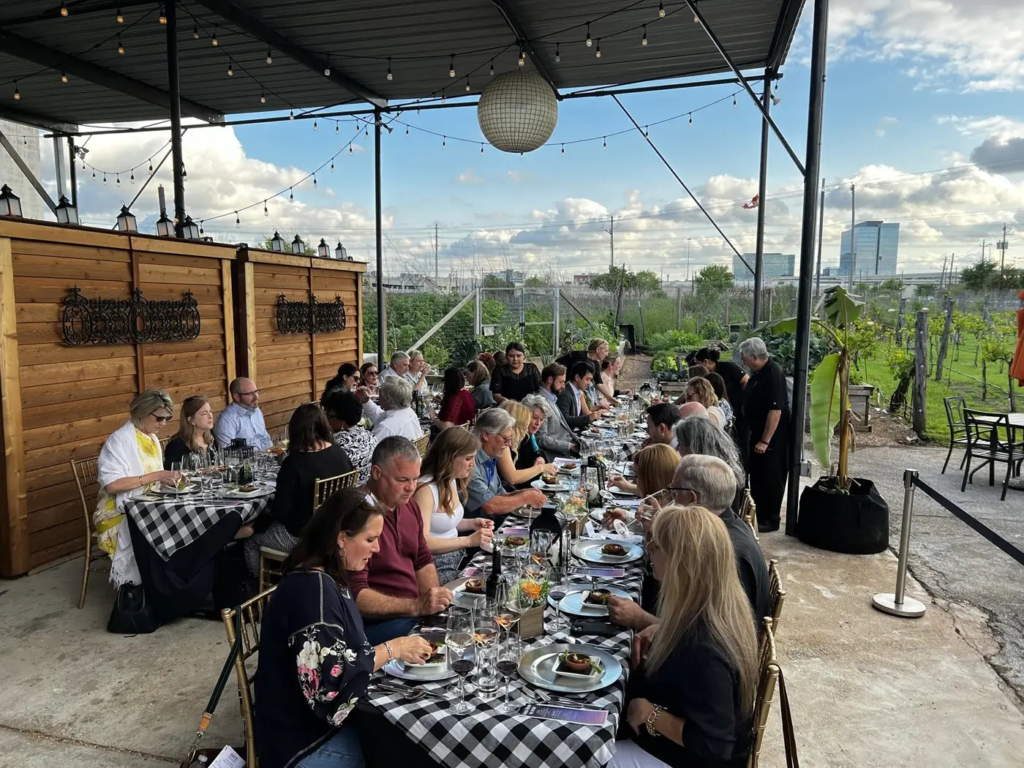
Wine is made to be drunk with food. Tasting it alone at a bar, one splash after another, shows you half the wine at best. At worst, it convinces you that a great food wine is too tart, too tannic, or too dry, and you walk out with the wrong bottle.
We’re chefs who became winemakers, so we’re biased. But we’re also right. Here’s why.
What food does to wine
Every bite resets your palate, and each basic taste in food pushes the wine in a predictable direction.
| In the food | What happens to the wine | Try it with |
|---|---|---|
| Salt | Tastes softer, fruitier, less bitter and less tart | Aged cheese with a bold red |
| Acid (lemon, vinegar, tomato) | Tastes rounder and fruitier, less sour | Goat cheese with Sauvignon Blanc |
| Fat and protein | Tannins feel smoother and less drying | Steak or brisket with Cabernet Sauvignon |
| Sweetness | Tastes drier, more bitter, and more acidic | Dessert with a wine sweeter than the dish |
| Umami (mushrooms, soy, cured meat) | Tastes more bitter and astringent, less fruity | A pinch of salt or squeeze of lemon on the dish restores balance |
| Chili heat | Alcohol makes the burn feel hotter | Spicy food with a lower-alcohol, slightly sweet white |
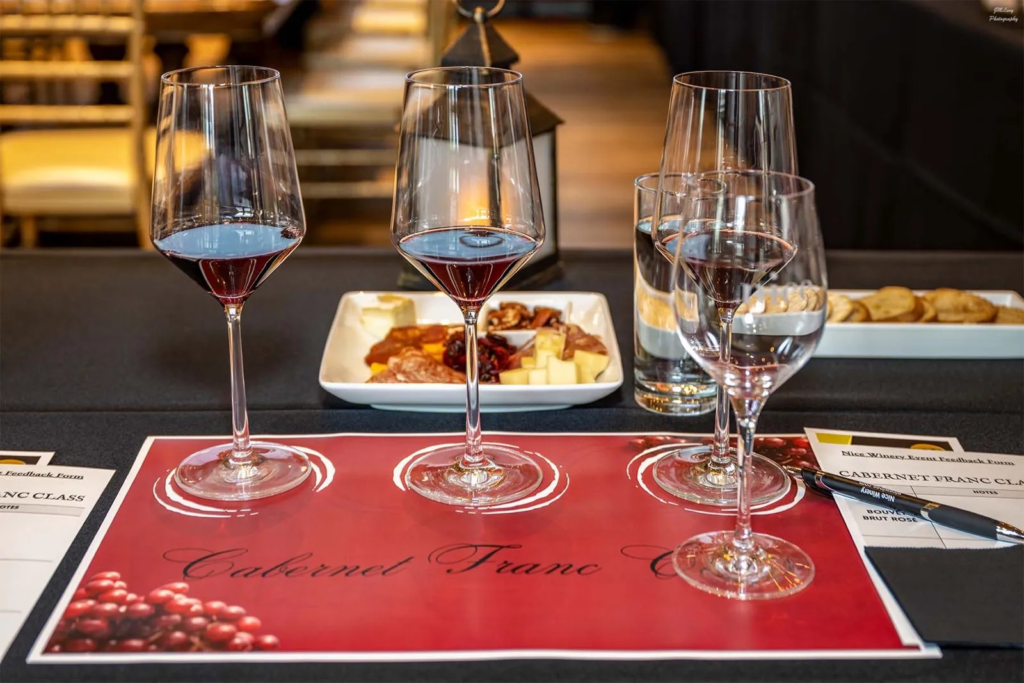
That’s why the same Cabernet Sauvignon or a Cabernet Franc can taste harsh at the tasting bar and silky next to a ribeye. The wine didn’t change. The context did.
What a pour-and-go tasting misses
The standard tasting flight is a row of small pours, a cracker, and a price list. Here’s what that format costs you:
- You judge food wines unfairly. High-acid whites and tannic reds taste sharpest on an empty palate, and those are often the wines that shine brightest at dinner.
- You reward the wrong wines. Soft, sweet, high-alcohol wines win the tasting bar and then overwhelm the meal at home.
- Your palate fatigues. Six wines in a row with nothing in between blur together by the fourth glass.
- You learn nothing you can use. Knowing a wine has “notes of blackberry” won’t help you plan Saturday’s dinner. Knowing it tames a fatty brisket will.
Okay, the other side
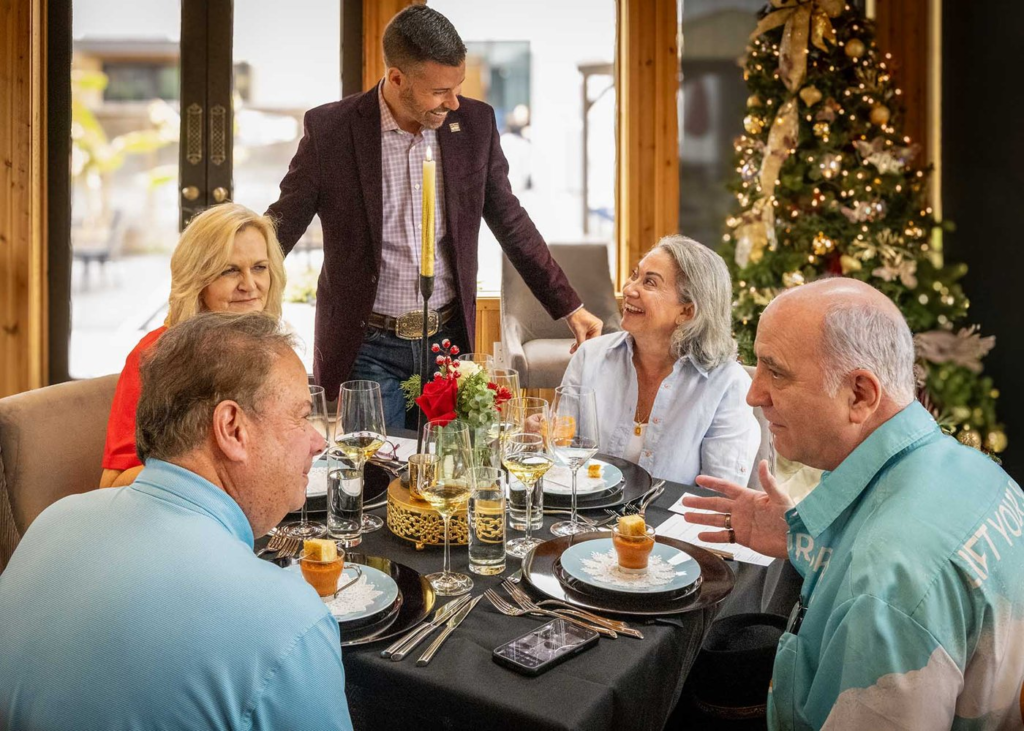
We said fight, so here are the best punches thrown back at us, and our answers.
“Professionals taste without food.” True. Judges and buyers taste wine alone to spot flaws and compare wines side by side. That’s quality control, though, not an experience. You’re not judging a competition; you’re choosing what to drink with dinner.
“Food masks the wine.” A strong dish can overpower a delicate wine, so pairings need care. That’s an argument for expertly executed chef-curated pairings, not against them.
“Sometimes I just want a glass.” Fair. A glass of wine on the porch needs no plate. But a tasting is meant to help you understand and choose wines, and you can’t understand a food wine without food. Nice Winery is not a wine bar. It is a hub for wine exploration and culinary education.
“It costs more.” Usually it does. You’re paying for a meal and an education rather than a few sips, and you’re far less likely to take home a bottle you won’t enjoy.
How we do tastings at Nice Winery
We don’t have a pour-and-go tasting bar. Every visit is a seated, guided experience where each wine arrives with something from our kitchen built to show it off.
- Guided Wine Experience with Chef’s Pairings. A sommelier leads you through our award-winning wines, each paired with a chef-crafted bite.
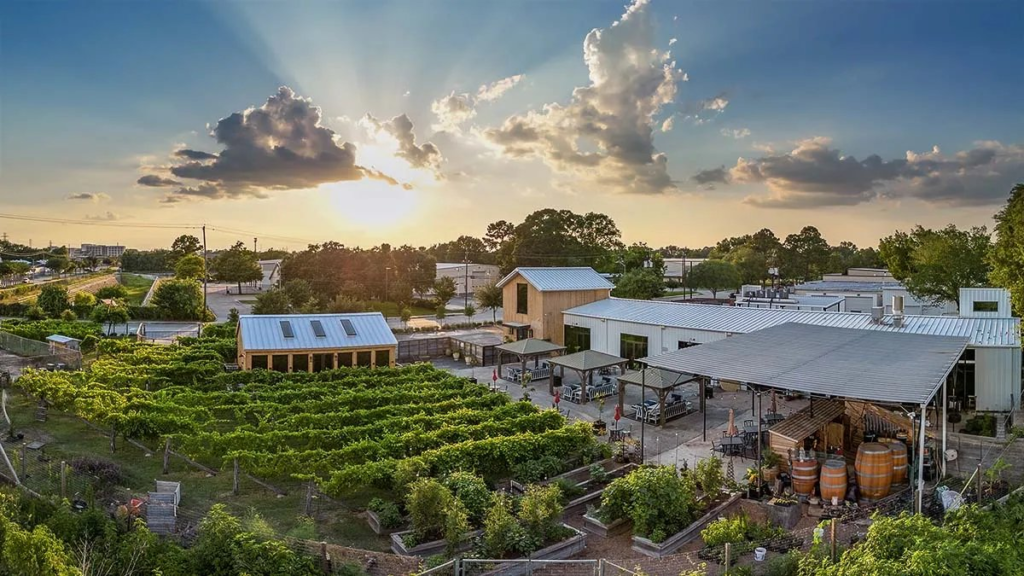
- Premium lunch experience in the cedar cabin. Six wines with chef’s pairings, served to small parties in a cabin surrounded by the city’s only winegrowing vineyard.
- Wine classes. Six wines, instruction, and food, in sessions of 90 to 120 minutes.
- Winemaker paired dinners. Five or six courses, each designed around one wine.
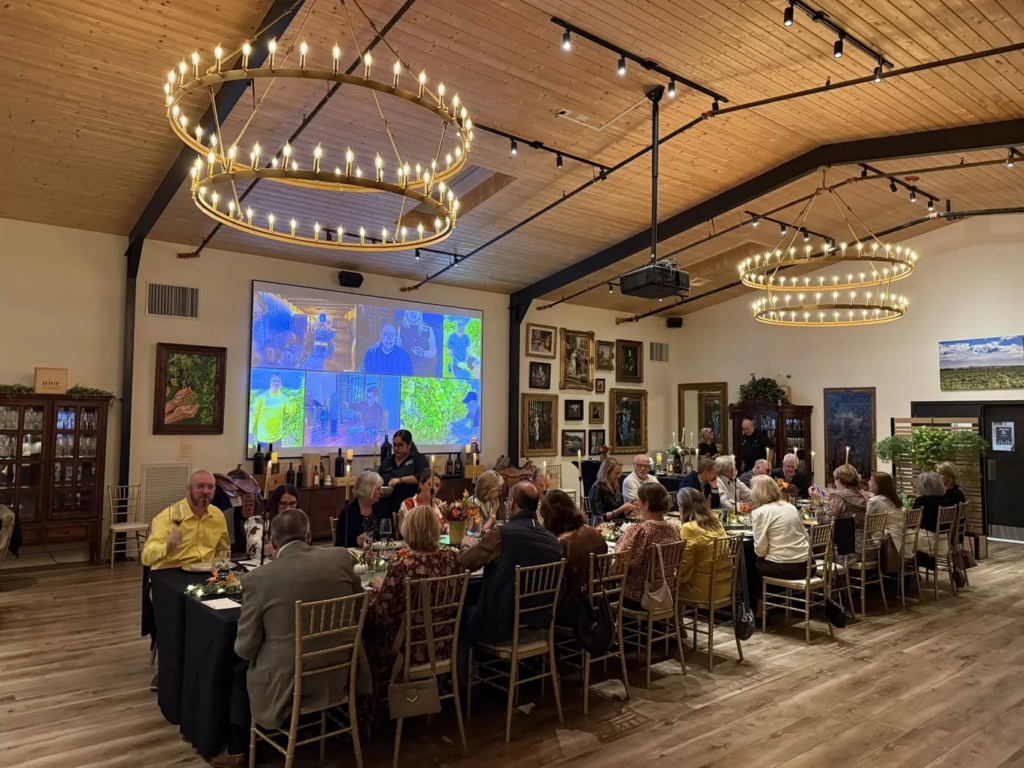
Our founders are Le Cordon Bleu-trained chefs and certified sommeliers, and many ingredients come from our own organic garden. Book a tasting on Tock.
Settle it yourself: a five-minute experiment
Don’t take our word for it. Open one dry red, such as a Cabernet Sauvignon or Malbec, and set out a lemon wedge, a pinch of salt, a sliver of aged cheese, and a square of milk chocolate.
- Taste the wine alone. Note how tart, bitter, and drying it feels.
- Lick a little lemon, then salt, then sip. Most people find the wine suddenly softer and fruitier.
- Eat the cheese, then sip. The tannins should feel smoother.
- Eat the chocolate, then sip. The wine will likely taste thinner and more bitter.
Same wine, four different experiences. Now tell us food doesn’t matter.
Frequently asked questions
Does food change how wine tastes?
Yes. Salt and acid in food make wine taste softer and fruitier, fat and protein smooth out tannins, and sweetness or umami can make wine taste more bitter and tart.
Why do wineries pair wine with food?
Most wines are made to be drunk with meals. Pairing shows how a wine performs at the table, which helps guests choose bottles they will enjoy at home.
Where can I do a wine tasting with food pairings in Houston?
Nice Winery in Spring Branch offers seated, sommelier-guided tastings where every wine is paired with a chef-crafted bite. Book at exploretock.com/nicewines.
Should you eat before a wine tasting?
Yes. On an empty stomach, alcohol hits harder and your palate tires faster. A tasting that includes food solves both problems.
Is Nice Winery a wine bar?
No. Nice Winery is a working winery and vineyard in Houston and a hub for wine exploration and culinary education. Every visit is a seated, guided experience with chef-crafted food pairings.
Related reading: Houston food and wine pairing guide · Planning a private wine dinner or corporate event in Houston · Book a tasting · Wine clubs.
Sources: Nice Winery on Tock, Premium Guided Wine Experience listing, Visit Houston listing.